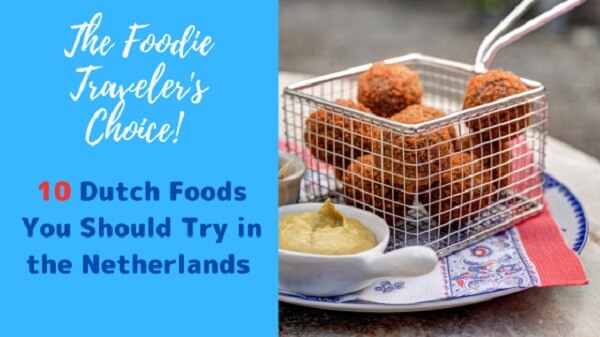
Dutch food doesn’t usually make it into “top food destination” lists — and that’s exactly why many travelers end up missing out.
If you don’t know what to order, it’s easy to assume food in the Netherlands is bland, greasy, or simply not worth your time.
But once you know what locals actually eat and where travelers won’t get ripped off, Dutch food turns out to be comforting, satisfying, and surprisingly addictive.
This guide focuses on 10 Dutch foods that are easy to find, commonly eaten, and genuinely enjoyable, especially if you’re visiting the Netherlands for the first time.
No overwhelming lists. No gimmicks. Just food that’s actually worth trying.
Classic Dutch Foods You Should Try at Least Once
Stroopwafel
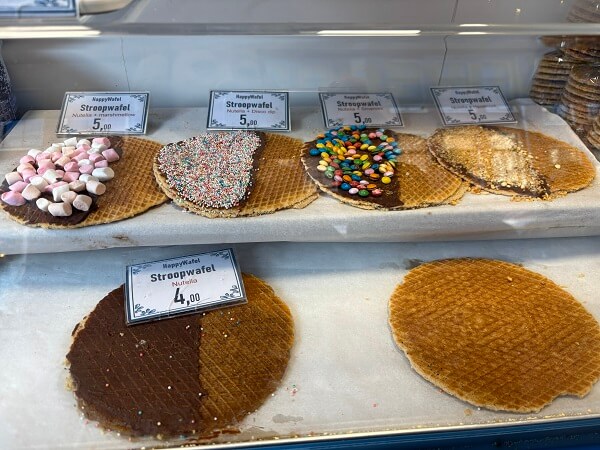
Stroopwafel at food stand
The one Dutch food you absolutely can’t skip is the stroopwafel.
These treats feature two thin waffles embracing a gooey caramel filling. You’ll find them sold everywhere: bustling street markets, cozy bakeries, supermarkets, and even airports. While a fresh, warm one from a market stall is an unforgettable experience, even supermarket versions are shockingly good.
👉Bringing food souvenirs home? Stroopwafels are the perfect solution: they’re lightweight, affordable, and readily available at major retailers like Albert Heijn or HEMA.
Craving more simple, grab-and-go souvenir ideas? Check out my full guide on what’s actually worth buying at Dutch supermarkets—no overthinking required, just guaranteed hits.

Bitterballen
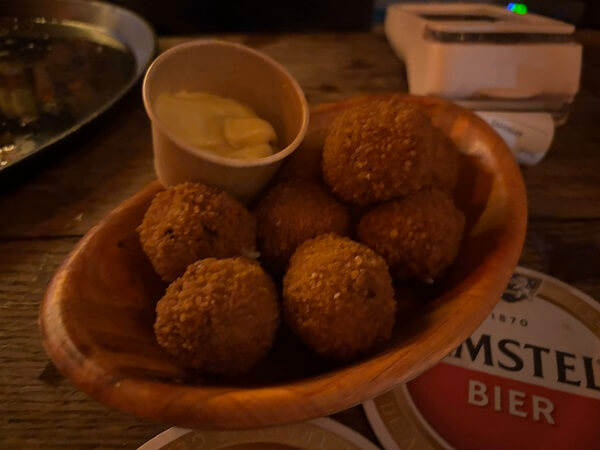
Bitterballen
Bitterballen are small, deep-fried balls filled with a creamy beef ragout — crispy on the outside, molten on the inside.
They’re most commonly eaten in bruine cafés (traditional Dutch pubs) and are usually ordered as a snack to share with drinks.
Pair them with mustard and a local beer, and you’ll quickly understand why locals love them.
👉 This is also where Dutch pub culture shines. If you’re interested in beer-focused food experiences, this pairs perfectly with a local food or beer tour.
Patat (Dutch Fries with Sauces)
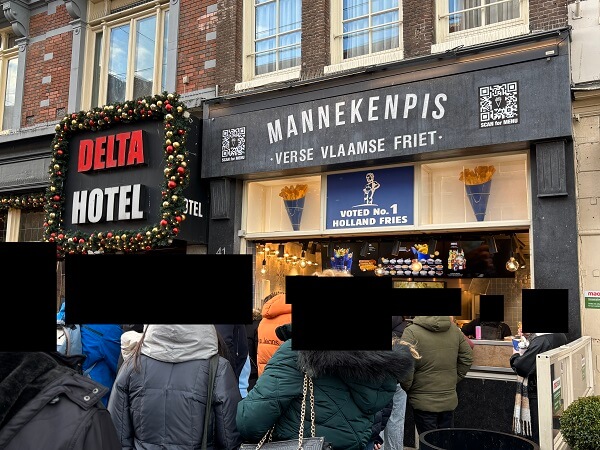
Popular frites shop in Amsterdam(Manneken Pis)
Dutch fries are thick-cut, crispy, and unapologetically indulgent.
What makes them special isn’t the fries themselves — it’s the sauces.
From classic mayonnaise to peanut-based satay sauce or the iconic combo of mayo, peanut sauce, and onions (patat oorlog), ordering fries in the Netherlands is practically a ritual.
👉 You’ll find great fry shops near stations, city centers, and night-life areas — no reservations required.
Dutch Comfort Foods Locals Actually Eat
Stamppot
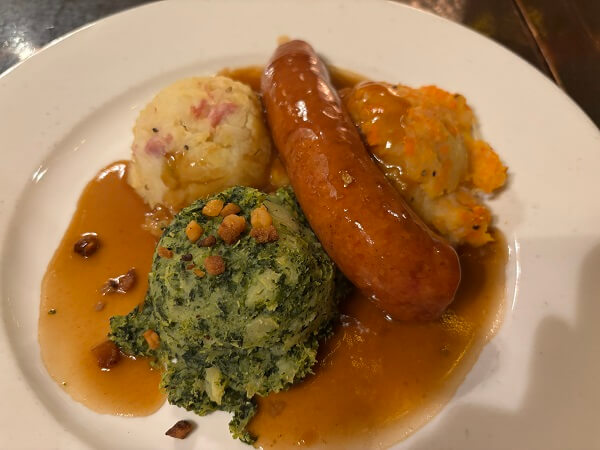
Stamppot
Stamppot is classic Dutch comfort food: mashed potatoes mixed with vegetables like kale, carrots, or sauerkraut, usually served with sausage.
It’s hearty, filling, and especially common in colder months.
You won’t see it advertised everywhere, but when a local-focused restaurant has it on the menu, it’s usually a solid choice.
Erwtensoep (Dutch Pea Soup)
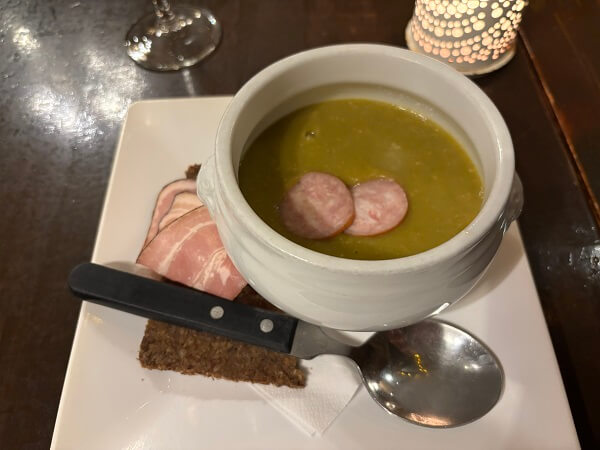
Erwtensoep/Snert
Erwtensoep — often called snert — is a thick split pea soup loaded with vegetables and sausage.
This is not a light starter. It’s a full meal in a bowl, traditionally eaten in winter and after outdoor activities.
If you’re visiting in colder seasons, this is one of the most “local” dishes you can try.
Haring (Raw Herring, Dutch Style)
Haring is probably the most intimidating Dutch food for first-time visitors — and that’s okay.
Raw herring is usually served with onions and pickles, and locals famously eat it by holding the fish up and taking bites.
You don’t have to eat it that way — many stalls will serve it cut into pieces.
👉 If raw fish isn’t your thing, skip it guilt-free. Dutch food has plenty of other options.
Kibbeling
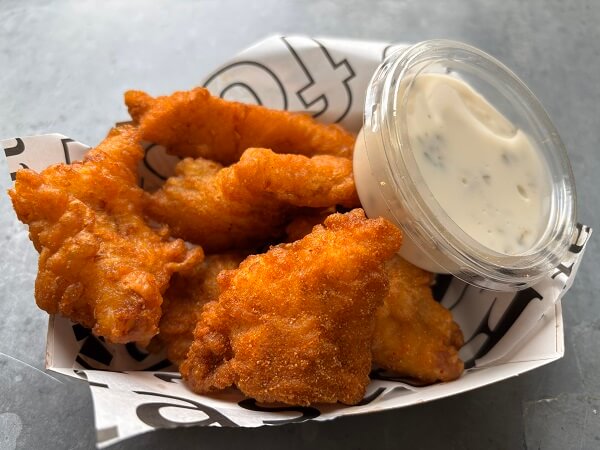
Kibbeling
Kibbeling might look like fish and chips — and yes, technically it is.
But Dutch-style kibbeling uses chunks of white fish coated in a light, crispy batter, usually served with garlic or herb sauce.
It’s commonly sold at markets and fish stalls, and when done right, it’s addictive.
If you enjoy fish and chips, this is the version you didn’t know you were missing.
Dutch Sweets You’ll See Everywhere
Poffertjes
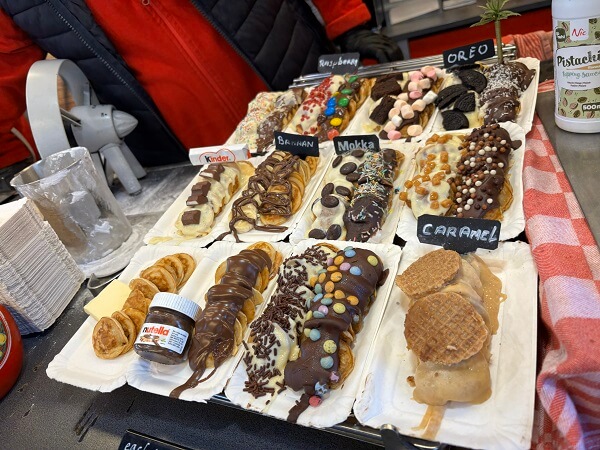
Poffertjes at food stand
Poffertjes are small, fluffy pancakes served with butter and powdered sugar.
They’re lighter than regular pancakes and often sold at markets, festivals, and casual eateries.
Easy to share, easy to love — and not overwhelmingly sweet.
Dutch Apple Pie (Appeltaart)
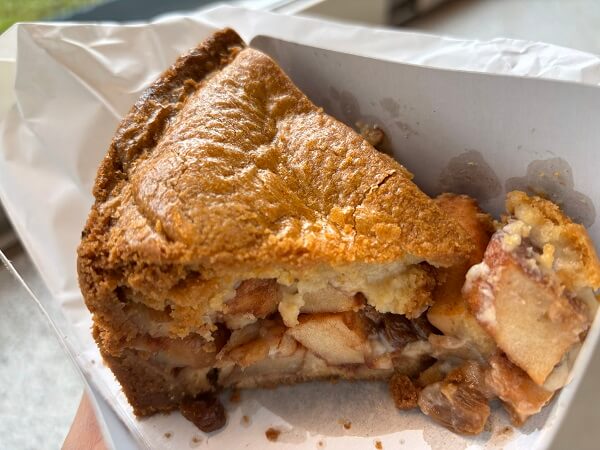
Appeltaart from Winkel 43
Dutch apple pie deserves special mention.
It’s thick, spiced, packed with apples, and far more filling than most apple pies outside the Netherlands.
Many cafés pride themselves on their own version, and honestly — café hopping just to compare apple pies is a valid travel plan.
👉 If you’re visiting Utrecht, don’t miss apple balls (appelbollen) — baked apples wrapped in pastry, served warm.
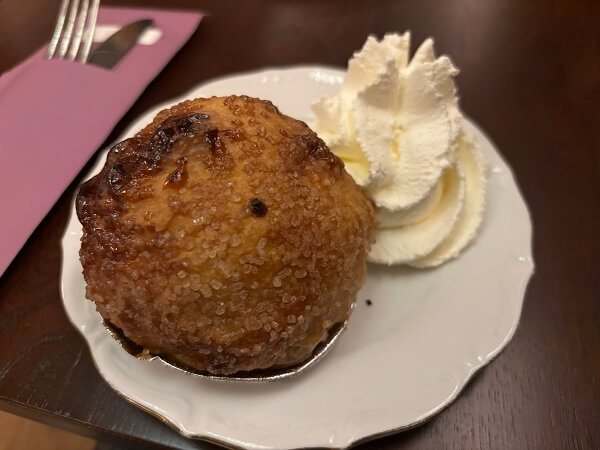
Apple balls (appelbollen)
They’re less sweet, incredibly comforting, and worth seeking out if you’re in the city.
Vla (Dutch Custard Dessert)
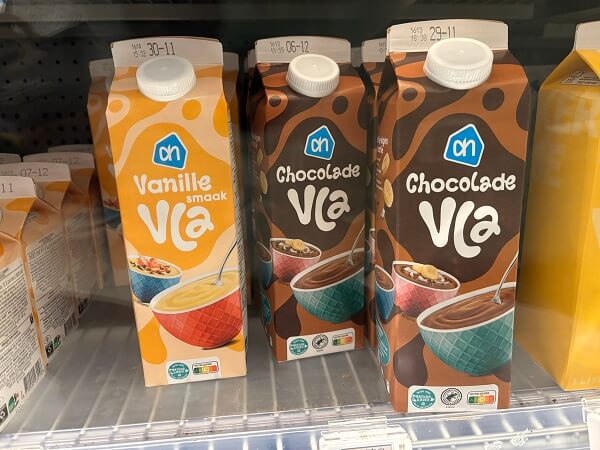
Vla
Vla is a smooth, pourable custard dessert sold in cartons at Dutch supermarkets.
It comes in flavors like vanilla, chocolate, and vanilla-chocolate swirl, and it’s surprisingly popular among adults — not just kids.
Because it’s not overly sweet, it’s a great option even if you don’t usually like desserts.
👉 If you’re curious about Dutch supermarket food, vla is one of the easiest and cheapest local items to try.
Where to Try Dutch Food (Without Tourist Traps)
-
Bruine cafés for snacks like bitterballen and simple meals
-
Casual local restaurants for stamppot and soups
-
Markets and fish stalls for kibbeling and herring
-
Food stands and Supermarkets like Albert Heijn for stroopwafels, vla, and snacks
If you’re short on time or don’t want to gamble on random restaurants, a local food tour can be a smart way to try multiple Dutch dishes in one go.
Most tours include classics like bitterballen, stroopwafels, and local snacks — plus context you’d never get on your own.
👉 Check current Dutch food tours in Amsterdam and Utrecht here.
Is Dutch Food Worth Trying?
Dutch food may not be flashy, but it’s comforting, filling, and deeply tied to everyday life.
Once you stop chasing “Instagram food” and start eating what locals actually enjoy, Dutch cuisine makes a lot more sense — and becomes a surprisingly memorable part of your trip.
Final Thoughts – What to Eat in the Netherlands First
If you’re short on time, start with:
-
Stroopwafel
-
Bitterballen
-
Patat
-
Apple pie or vla
Add kibbeling if you like fish, and save haring for when you’re feeling adventurous.
Dutch food won’t overwhelm you — and that’s exactly why it works.
If food is part of why you travel — but you don’t want to plan everything yourself — a guided food experience can easily become one of the highlights of your trip.
👉 See available Dutch food tours and tastings here.
 Hi there! I’m Moose — originally from Japan, but living in Toronto, Canada for over 15 years.